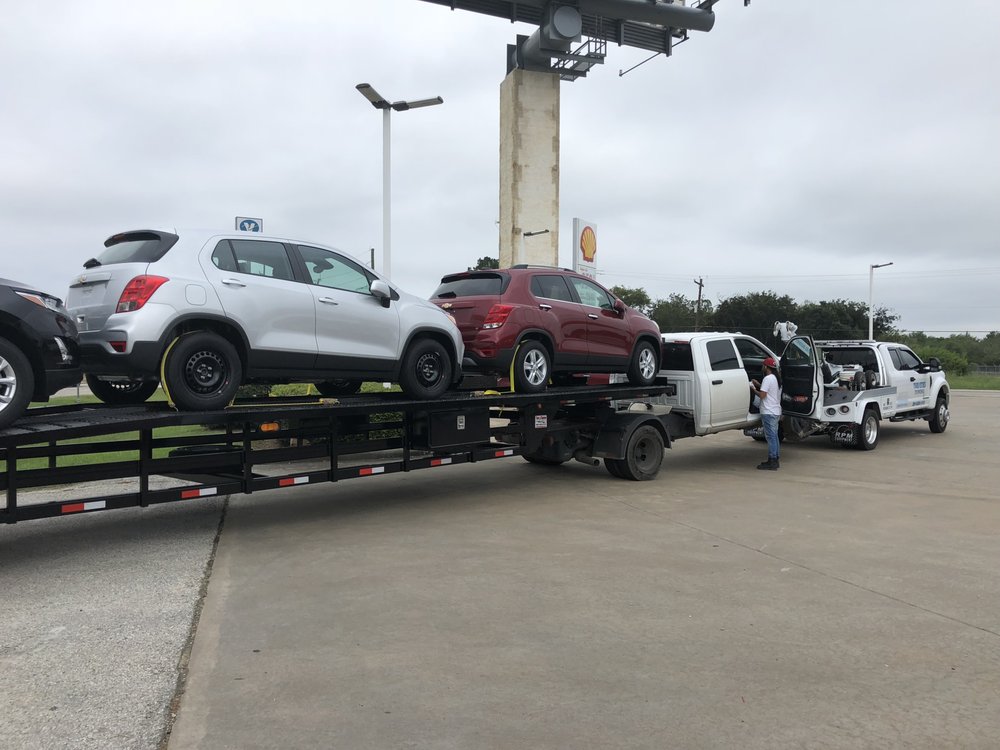
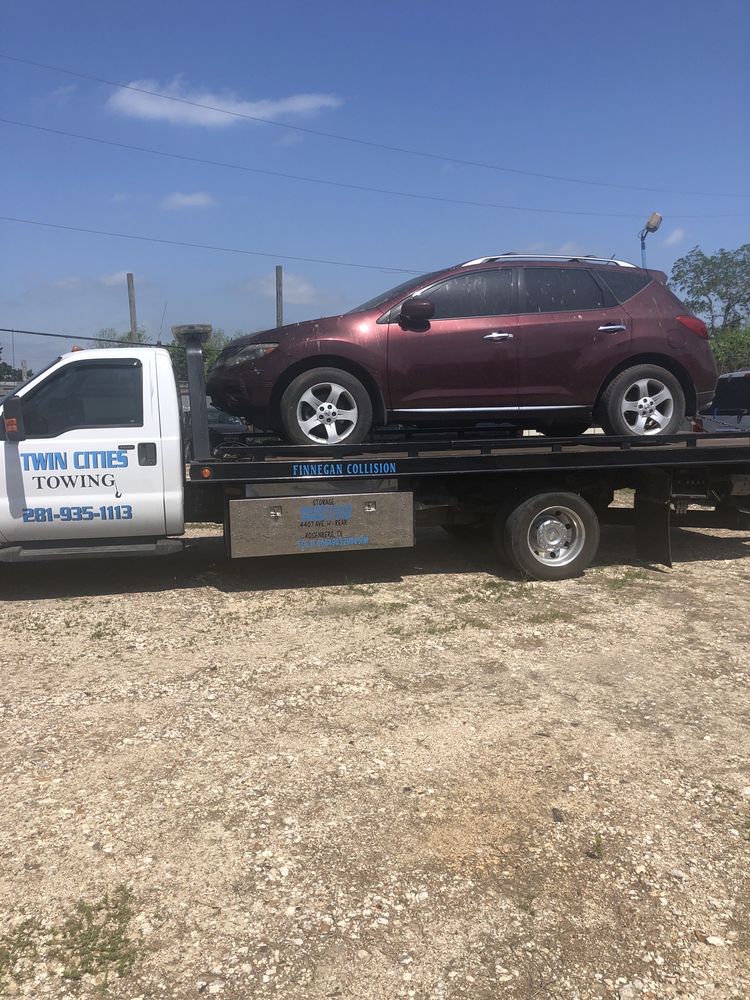
Most no-start situations trace back to one of three systems: the battery, the starter, or fuel delivery. Dim lights and a slow crank mean battery — a jump start fixes it on the spot. One loud click with bright lights means starter, and a strong crank that never fires means fuel. Those two need a tow, not a jump.
Turning the key to silence is disorienting, but the car is usually telling you exactly what's wrong — you just have to know what the lights, clicks, and cranks mean. Twin Cities Towing INC has answered no-start calls across Richmond, Rosenberg, Sugar Land, and the rest of Fort Bend County since 2011, and the same seven causes account for nearly every one of them. Here they are in order of how often we see them, with a quick driveway check for each and an honest verdict on whether it's a roadside assistance fix or a job for breakdown towing.
1. Is a Dead Battery the Reason Your Car Won't Start?
A dead battery is the most common cause of a no-start, and in Fort Bend County the killer is summer, not winter. Sustained 95–100°F heat evaporates battery electrolyte and corrodes the internal plates, so a battery rated for four or five years up north often fails after two or three Texas summers.
The damage happens in July and August, but the failure usually shows up on the first cool morning of fall, when the weakened battery can't deliver full cranking amps. If your battery has survived three Richmond summers, get it load-tested before it picks the moment for you.
This is exactly what a roadside assistance call handles — we arrive in 20–35 minutes in the Richmond area, jump the battery, and confirm it's holding a charge before we leave.
2. Are Corroded Battery Terminals Blocking the Current?
Corroded terminals can make a perfectly healthy battery act dead. The white or blue-green crust that builds up around the posts adds electrical resistance — often enough to run the radio but not enough to spin the starter. Gulf Coast humidity accelerates the buildup, so terminals deserve a look before you blame the battery itself.
Disconnect the cables, scrub the posts with a baking soda and water paste, retighten, and try again. No tools on hand or still no start? A roadside call can clean the connection, test the battery, and jump it in one visit.
3. Has the Starter Motor Failed?
One loud, single click — then nothing — while your headlights stay bright is the signature of a failed starter motor. The battery is delivering power; the starter just isn't turning the engine over. Unlike a dead battery, there is no roadside fix for a starter, because replacing one means getting under the vehicle with parts in hand.
A starter replacement is a shop job. Our breakdown towing service moves the car to your mechanic — you pick the shop, we handle the transport.
4. Is the Alternator the Real Culprit?
If a jump start gets the engine running but the car dies again within a few minutes or miles, the alternator — not the battery — is the likely problem. The alternator recharges the battery while you drive; when it fails, the car runs on stored battery power until that runs out, often in the middle of traffic on US-59.
Limping a failing alternator across town usually ends with a second breakdown in a worse spot. A local tow is the cheaper path — see what towing actually costs in Richmond, TX before you assume otherwise.
5. Is Fuel — or the Fuel Pump — the Problem?
When the engine cranks strong but never fires, think fuel. Sometimes it's as simple as an empty tank — fuel gauges drift, especially on older vehicles — and sometimes it's a failed fuel pump that isn't delivering gas to the engine at all. The crank sounds completely normal either way, which is what separates fuel problems from battery and starter trouble.
Out of gas? Roadside fuel delivery brings enough to reach the nearest station — one call, no tow. A dead fuel pump is a shop repair, so the vehicle rides a truck instead.
6. Is a Dead Key Fob or Immobilizer Stopping the Start?
Push-button cars won't start without a signal from the key fob, so a dead fob coin cell can strand a mechanically perfect vehicle. The dash typically shows "key not detected" while everything else works normally. Most fobs run on a CR2032 battery that costs a few dollars at any Richmond pharmacy or gas station.
Most vehicles have a backup reader in the start button or steering column, so the fob-against-button trick usually works long enough to drive to a battery. Keys locked inside the car instead? That's our lockout service — damage-free entry, 24/7.
7. Has the Anti-Theft System Locked the Engine Out?
Factory anti-theft systems immobilize the engine when they don't recognize the key — sometimes after a battery replacement, a wrong-key attempt, or an aftermarket alarm glitch. A flashing security or key-shaped light on the dash while the car refuses to crank, or cranks without firing, points here rather than at anything mechanical.
If the relearn procedure doesn't clear it, the system needs a dealer or locksmith with the right programming tools — and the car needs a ride there.
Jump Start or Tow: How Do You Decide?
The pattern across all seven causes is simple: electrical-supply problems at the battery get fixed at the curb, while anything mechanical or fuel-related rides a truck. Here's the split at a glance.
Roadside Fix on the Spot
- Dead or weak battery — jump start
- Corroded terminals — clean, tighten, jump
- Empty tank — emergency fuel delivery
- Dead fob — backup-start trick or a fresh coin cell
Needs a Tow to a Shop
- Failed starter motor
- Failing alternator — even after a successful jump
- Dead fuel pump
- Anti-theft lockout that won't relearn
The good news for Fort Bend County drivers: you don't have to diagnose it perfectly before calling. Twin Cities Towing INC dispatches roadside and towing on the same call — we try the on-the-spot fix first, and if the car still won't run safely, the same driver loads it with no second dispatch fee. For the full picture of how local dispatch, response times, and drop-offs work, read our complete guide to towing in Richmond, TX.
Frequently Asked Questions
Why won't my car start even though the lights and radio work?
Working lights mean the battery has some charge, so the problem is usually further down the line: a failed starter motor, corroded battery terminals that pass enough current for electronics but not for cranking, or an immobilizer that isn't recognizing your key. Listen when you turn the key — one loud click with bright lights points to the starter, while a blinking security light points to the anti-theft system.
How long do car batteries last in Texas heat?
Two to three years is typical in the Richmond area, compared with four to five years in cooler climates. Sustained 95–100°F Fort Bend County summers evaporate battery electrolyte and accelerate corrosion on the internal plates, so heat damage done in July often shows up as a no-start on the first cool morning of fall. If your battery has been through three Texas summers, have it load-tested before it strands you.
Should I jump-start my car or call for a tow?
Jump-start it if the symptoms point to the battery: dim lights, slow cranking, or rapid clicking. Call for a tow if you hear a single click with bright lights (starter), if the engine cranks strong but never fires (fuel system), or if a jump gets it running and it dies again minutes later (alternator). Twin Cities Towing INC handles both on one call in Richmond — we attempt the roadside fix first, and if the car still won't run safely, the same driver tows it with no second dispatch fee.